
Types of Dog Kennels: Complete Guide to Choosing the Perfect One
The harnesses or harnesses have become the healthiest and most effective alternative to traditional collars for walking with our dogs. Their design distributes pressure evenly across the chest and back, preventing damage to the neck and trachea. With so many different types available on the market, choosing the right breastplate can seem complicated. In this comprehensive guide, we'll look at the different types of breastplates, their specific advantages and how to select the right one for your canine companion.
Why choose a breastplate instead of a necklace?
Breastplates offer significant advantages over traditional collars:
- Eliminate direct pressure on neck and trachea
- Distribute force evenly over the torso
- Provide greater control without causing pain
- Reduces the risk of cervical and respiratory injuries
- They are especially beneficial for brachycephalic breeds and dogs with respiratory problems.
Main types of breastplates
Rear hitched milking machines
Also known as back harnesses, they are the most common:
Main characteristics:
- Hitch point located at the upper back
- Simple and easy to install design
- Uniform weight distribution
Advantages:
- Maximum comfort for the dog
- Ideal for trained dogs that do not pull
- Less restriction of movement
- Perfect for sports activities such as canicross
Disadvantages:
- May encourage pulling in untrained dogs
- Less control compared to other types
Ideal for:
- Well-behaved small and medium-sized dogs
- Sports and recreational activities
- Dogs with respiratory problems
Front hitched milking machines
The attachment point is located on the dog's chest:
Main characteristics:
- Front chest attachment
- Redirects the dog when it tries to pull
- Greater control without causing discomfort
Advantages:
- Excellent control for pulling dogs
- Progressive behavioral education
- Significantly reduces pulling force
Disadvantages:
- May slightly restrict the movement of the forelegs
- Require more precise adjustment
Ideal for:
- Dogs that pull constantly
- Training of manners on the leash
- Reactive dogs that need more control
Double hitched milking machines
They combine the best of both worlds with two attachment points:
Main characteristics:
- Chest and back attachments
- Versatility according to the situation
- Option to use both points simultaneously
Advantages:
- Maximum versatility of use
- Adaptable to different situations
- Progressive control according to needs
Disadvantages:
- Generally higher price
- Increased design complexity
Ideal for:
- Owners looking for versatility
- Dogs in training
- Various walking situations
Step-in dairy farms (Step-in)
They are characterized by their ease of installation:
Main characteristics:
- The dog inserts the front legs and closes in the back.
- Quick and easy to install
- Minimalist design
Advantages:
- Extremely easy to install
- Ideal for dogs that do not tolerate things going over their heads.
- Lightweight and comfortable design
Disadvantages:
- Less control than other types
- May not be suitable for dogs that pull a lot.
Ideal for:
- Small and medium-sized calm dogs
- Dogs sensitive to handling
- Owners seeking simplicity
Over-head breastfeeders (Over-head)
They are placed over the dog's head:
Main characteristics:
- It slips over the head like a T-shirt
- Rear fastening and lateral adjustment
- Wrap-around design
Advantages:
- Excellent support
- Optimal weight distribution
- Increased durability
Disadvantages:
- More complex placement
- Not suitable for dogs sensitive to head handling
Ideal for:
- Large and strong dogs
- Situations requiring maximum control
- Dogs accustomed to handling
Training pigsties
Designed specifically for obedience work:
Main characteristics:
- Reinforced materials
- Multiple adjustment points
- Specialized ergonomic design
Advantages:
- Maximum control during training
- Superior durability
- Precise adaptation to each dog
Disadvantages:
- Higher price
- May be excessive for daily use
Ideal for:
- Professional training
- Working dogs
- Situations requiring precise control
Sporting breastfeeders
Optimized for intense physical activities:
Main characteristics:
- Breathable technical materials
- Aerodynamic design
- Reinforcement at critical points
Advantages:
- Comfort during intense exercise
- Optimized ventilation
- Resistance to extreme conditions
Disadvantages:
- Generally high price
- May be excessive for normal walks
Ideal for:
- Canicross and dog sports
- Hiking and outdoor activities
- Very active dogs
Materials and construction
Nylon
Advantages:
- Inexpensive and available
- Variety of colors and designs
- Easy maintenance
Disadvantages:
- May cause chafing on sensitive skin
- Reduced durability under extreme conditions
Neoprene
Advantages:
- Soft and comfortable
- Water resistant
- Natural quilting
Disadvantages:
- Retains odors
- May cause overheating
Breathable mesh
Advantages:
- Excellent ventilation
- Lightweight and comfortable
- Ideal for hot climates
Disadvantages:
- Less durable
- Can be hooked
Leather
Advantages:
- Durable and elegant
- Softens with use
- Resistant
Disadvantages:
- High price
- Requires specific maintenance
How to choose the right breastplate
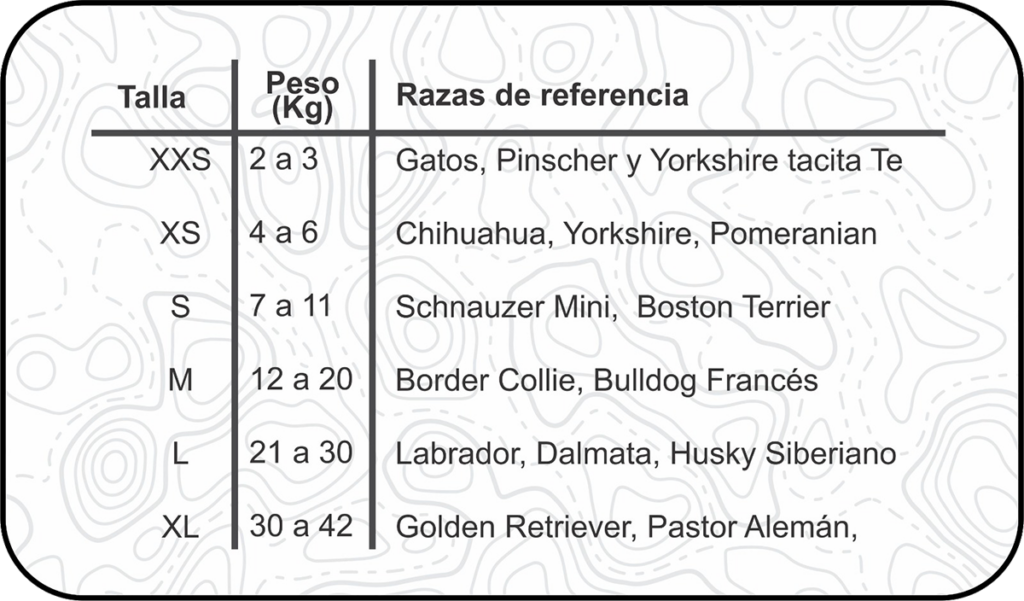
Consider size and breed
- Small dogs: Lightweight step-in or rear hitch type milking machines
- Medium dogs: Versatility with double hitch options
- Large dogs: Robust front or double hitched milking machines
- Brachycephalic breeds: Prioritize respiratory comfort
Evaluates behavior
- Pulling dogs: Front hitch or double hitch
- Quiet dogs: Rear hitch or step-in
- Dogs in training: Double hitch for versatility
- Reactive dogs: Maximum control with front hitch
Consider the main activity
- Urban walks: Standard dairy with good control
- Sports: Specialized sporting goods
- Training: Precise control training breastfeeders
- Occasional use: Simple and economical options
Correct measurement for perfect fit
Essential measures
- Chest circumference: At the widest point, behind the front legs
- Neck contour: At the base, where it joins the breast
- Chest length: From the base of the neck to where the sternum ends
Measurement tips
- Use a flexible tape measure
- Measure with the dog standing and relaxed.
- Add 2-5 cm depending on the thickness of the coat.
- Always consult the manufacturer's size guide
Signs of an inadequate breastplate
Physical signs
- Scratches or hair loss
- Changes in gait
- Difficulty breathing
- Resistance to putting on the breastplate
Behavioral signals
- Constant attempt to remove the breastplate
- Anxious behavior upon seeing her
- Changes in the level of activity
- Endurance during walks
Maintenance of the breastplates
Regular cleaning
- Wash according to manufacturer's instructions
- Use mild soaps
- Dry completely before storing
- Disinfect periodically if necessary
Routine inspection
- Check seams and stress points
- Checks the condition of buckles and fasteners
- Look for signs of wear
- Test all settings regularly
Frequently asked questions about breastplates
Can I keep the breastplate on all day?
It is not recommended. Breastplates are designed for specific times of activity. Leaving the breastplate on permanently may cause chafing, skin problems or anxious behavior.
When should I replace the breastplate?
Replace the breastplate when you notice significant wear in seams, damaged buckles, loss of shape or when your dog has outgrown its current size.
Are the breastplates safe for puppies?
Yes, but they must be specifically designed for puppies, with frequent adjustments due to rapid growth and especially soft materials.
Conclusion
Choosing the right dog lead can completely transform the experience of walking with your dog. Beyond the specific type, the key is to find the perfect balance between control, comfort and functionality according to your pet's individual needs.
A well-chosen breastplate not only improves safety and control during walks, but also contributes to the physical and emotional well-being of your canine companion. Invest time in proper selection and regularly check that the fit remains optimal.
Have you already found the perfect dog collar for your dog? With the right information and a careful assessment of your pet's specific needs, walks can become moments of enjoyment and connection for both of you.