
Anti-Strap Harness: The effective solution for comfortable and safe walks with your dog.
Daily walks can become a stressful experience when your dog is constantly pulling on the leash. This behavior is not only uncomfortable for you, but can also cause injury to your pet's neck. The anti-pulling harness emerges as an effective and humane alternative to control this problem. In this comprehensive guide, we will explore how these harnesses work, their benefits and how to choose the right one for your canine companion.
What exactly is an anti-pull harness?
Unlike conventional harnesses, anti-pull harnesses are specifically designed to discourage pulling behavior during walks. These devices work through different mechanisms:
- Front attachment pointThe leash hooks on the dog's chest, redirecting its movement when it tries to pull.
- Uniform pressure distributionAvoid concentration of force on sensitive areas such as the neck or trachea.
- Ergonomic designAllowing freedom of movement while maintaining control
Benefits of using an anti-pulling harness
For your dog
- Prevents neck, spine and trachea injuries
- Reduces anxiety associated with jerks and jerky corrections
- Allows for normal breathing even during times of excitement
- Facilitates gradual learning of a relaxed walk
For you
- Significantly decreases the force required to control the dog
- Reduces stress and frustration during walks
- Prevents shoulder, back and wrist injuries
- Turn walks into a more pleasant experience for both of you.
Main types of anti-pull harnesses
Harness with front hitch
- OperationThe strap is attached to a point in the center of the chest.
- AdvantagesWhen the dog pulls, it is gently turned towards you.
- Ideal forMedium to large dogs with a tendency to pull moderately.
Double hitch harness
- OperationProvides attachment points on both chest and back.
- AdvantagesOffers greater control and versatility depending on the situation.
- Ideal forVery strong dogs or dogs in training phase.
Harness with front martingale
- OperationIncorporates an additional soft tension when the dog pulls
- AdvantagesProvides immediate feedback without causing discomfort.
- Ideal forSensitive dogs that respond well to subtle corrections.
How to choose the perfect anti-pulling harness
Consider size and morphology
- Dogs with thick necks (bulldog, pug): They need models that avoid pressure in the respiratory tract.
- Deep-chested breeds (greyhounds, podencos): Require precise adjustment to avoid chafing.
- Small dogs: Look for ultralight but safe models.
Evaluates the intensity of the pull
- Occasional shooters: A basic harness with front hitch may be sufficient.
- Persistent shooters: Consider models with additional control features
- Reactive dogs: Look for options that provide maximum control in high stimulation situations.
Materials and adjustability
- Resistant materials: Ballistic nylon or high density polyester for durability
- Adequate paddingEspecially in contact areas such as armpits and chest.
- Multiple adjustment pointsThey allow a personalized adjustment according to the morphology.
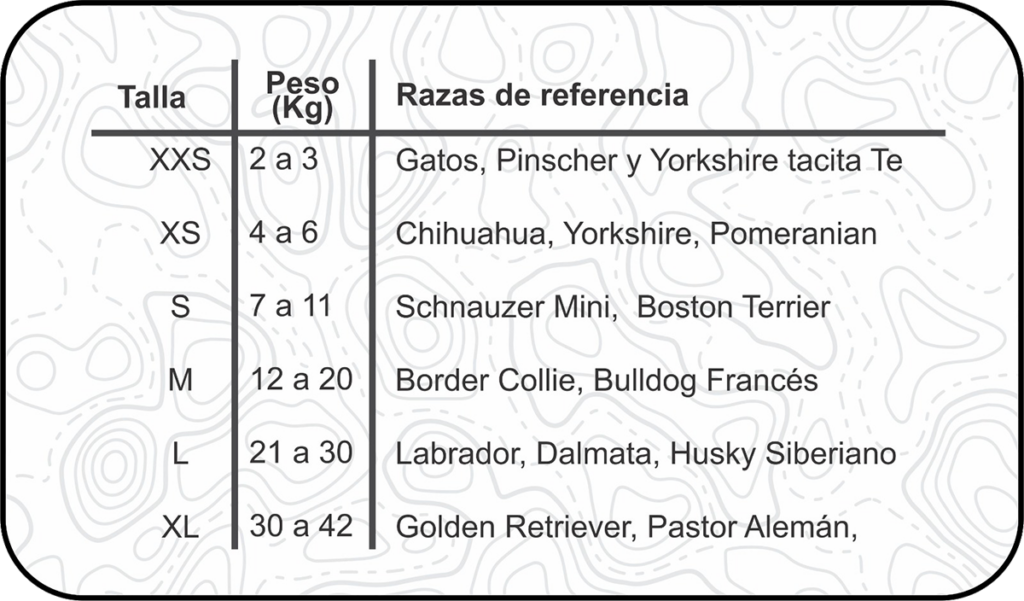
Correct sizing for an anti-pulling harness
To ensure effectiveness and comfort:
- Measure the contour of the neck at its base, where it meets the chest.
- Measure the chest circumference at its widest point, usually behind the front legs.
- For deep-chested breeds, measure the distance between these two measurements as well.
- See specific manufacturer's size guide
Adaptation and training with the new harness
Gradual introduction
- Allow your dog to sniff and explore the harness before putting it on.
- Associates harness with positive experiences (rewards, games)
- Conduct initial short sessions to get used to the feeling
Complementary training
- The harness alone does not solve the pulling problem; it is a support tool.
- Combine it with positive reinforcement techniques
- Consistently rewards when walking without tension on the leash
- Practice changes of direction to keep the dog's attention.
Signs that a harness is not adequate
Pay attention if you observe:
- Chafing or hair loss in the armpits or chest
- Extreme resistance to putting on the harness
- Changes in gait or body posture
- Scratching behavior or obvious discomfort
Frequently asked questions about anti-pull harnesses
Are they effective for all dogs?
Effectiveness varies with the dog, its temperament and degree of previous training. Most dogs respond positively, but some may require more specific options or additional training.
Can I leave it on all day?
Not recommended. The harness is designed specifically for walking and controlled activity. Remove it when they get home to avoid chafing or discomfort.
From what age can I use an anti-pull harness?
They can be introduced gradually from 4-6 months, using appropriate puppy patterns. However, it is crucial not to subject puppies to long walks or abrupt corrections.
Maintenance of the anti-pull harness
- Wash according to manufacturer's instructions, usually by hand with mild soap.
- Dry thoroughly before reuse to avoid chafing.
- Regularly check seams, buckles and attachment points.
- Replaces at any sign of significant wear in critical areas
Conclusion
The anti-pull harness represents an effective and humane solution to transform difficult walks into pleasant experiences for both you and your dog. By choosing the right model according to your pet's specific needs and combining it with consistent positive training, you will be building the foundation for a more harmonious relationship during daily outings.
Remember that the ultimate goal is not to rely permanently on the harness, but to use it as a transitional tool while your dog learns to walk properly on leash. With patience, training and the proper equipment, stressful walks can become moments of connection and enjoyment with your canine companion.
Have you tried a harness yet? Whatever your previous experience, the combination of the right harness and positive training techniques can make a significant difference to the quality of your daily walks.