Small Breed Dogs: A Complete Guide to These Pocket Companions
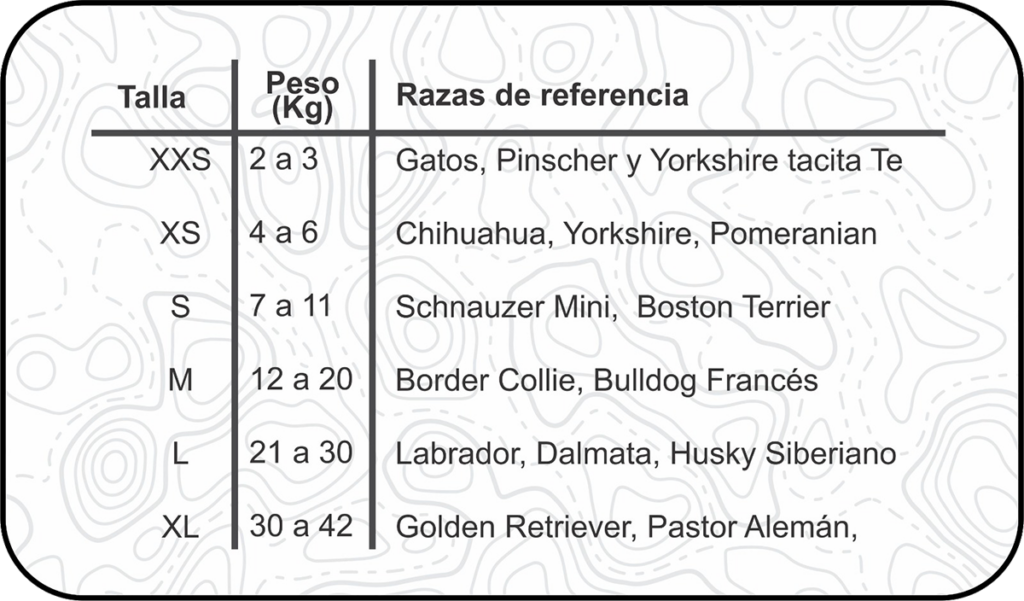
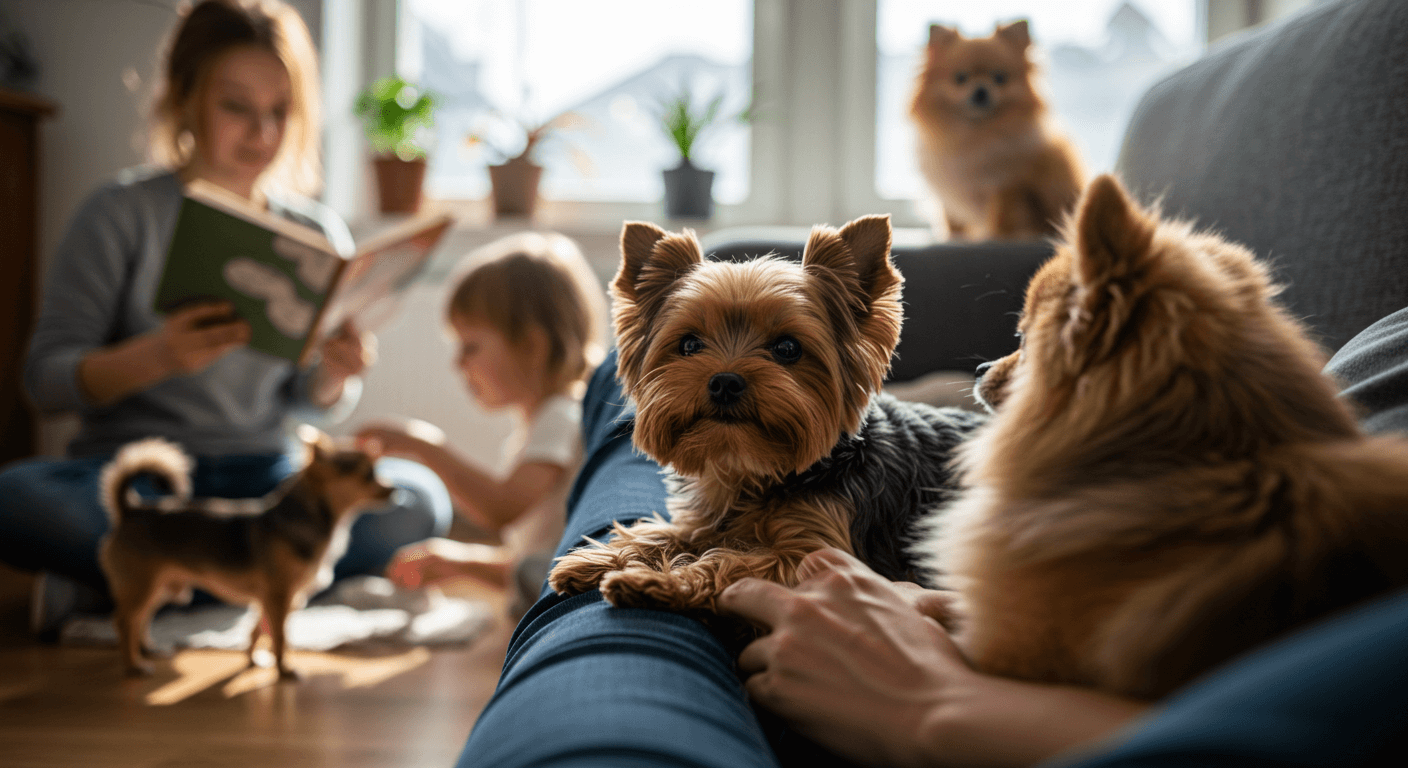
Small dog breeds have earned a special place in our homes and hearts thanks to their compact size, vibrant personalities and adaptability to different lifestyles. From the elegant Yorkshire Terrier to the lively ChihuahuaThese tiny canines offer a unique pet experience. In this comprehensive guide, we'll explore the characteristics, specific needs and important considerations for those considering adopting one of these delightful companions.
What defines a small breed?
Generally, small breeds are considered to be those that:
- Weigh less than 10 kg as adults
- They measure less than 40 cm at the withers
- They have distinctive physical and behavioral characteristics adapted to their size.
Most popular small breeds and their characteristics
Miniature Terrier Group
- Yorkshire Terrier
- Weight: 2-3 kg
- Personality: Courageous, alert, loyal
- Particularities: Long and silky hair that requires constant care.
- Jack Russell Terrier
- Weight: 5-8 kg
- Personality: Energetic, intrepid, intelligent
- Advantages: Great athletic ability, needs a lot of exercise.
- West Highland White Terrier
- Weight: 7-10 kg
- Personality: Independent, confident, sociable, sociable
- Particularities: Distinctive white coat, tendency to dig.
Toy and Companion Dogs
- Chihuahua
- Weight: 1.5-3 kg
- Personality: Devoted, alert, expressive
- Particularities: The smallest breed in the world, molera in the head.
- Bichon Frisé
- Weight: 3-5 kg
- Personality: playful, affectionate, sociable
- Special features: Hypoallergenic coat, excellent for beginners.
- Toy Poodle/Miniature
- Weight: 3-5 kg (Toy), 5-8 kg (Miniature)
- Personality: Extremely intelligent, active, versatile
- Advantages: Does not shed hair, high learning capacity.
Oriental and Asian breeds
- Shih Tzu
- Weight: 4-7 kg
- Personality: Affectionate, playful, noble
- Particularities: Abundant double coat, Tibetan origin.
- Pomerania
- Weight: 1.5-3 kg
- Personality: Lively, extroverted, attentive
- Particularities: Extremely fluffy coat, descendant of Nordic dogs.
- Pug (Pug)
- Weight: 6-8 kg
- Personality: Charismatic, loyal, mischievous
- Particularities: Wrinkled face, tendency to respiratory problems.
Advantages of small breeds
Practicality and adaptability
- Ideal for small spaces such as apartments
- Lower food and maintenance costs
- Easier to travel and transport
- Adaptable to different living environments
Longevity
- Many small breeds live between 12-16 years, some even longer.
- Longer lasting relationship compared to large breeds
- Better quality of life in old age
Sociability
- Excellent companions for the elderly
- Suitable for families with limited space
- Many adapt well to life with children (with adequate supervision).
Special considerations for small breeds
Health and specific care
Dental problems
- Increased predisposition to periodontal diseases
- Need for regular tooth brushing
- Frequent veterinary dental check-ups
Bone fragility
- Bones are more delicate and prone to fractures.
- Beware of jumping from furniture or beds
- Vigilance during play with larger dogs
Hypoglycemia
- Especially in puppies and very small specimens.
- Frequent feeding in small portions
- Recognize symptoms: weakness, tremors, confusion, etc.
Respiratory problems
- Common in small brachycephalic breeds (Pug, Shih Tzu)
- Sensitivity to extreme temperatures
- Attention to excessive snoring or shortness of breath
Exercise and mental stimulation
Contrary to popular belief, many small breeds do need:
- Daily exercise adapted to your endurance
- Intelligence and mental stimulation games
- Consistent socialization to avoid "small dog syndrome".
Specialized food
- Specific kibble for small breeds
- Portion control to avoid obesity
- Increased frequency of meals (2-3 times a day)
- Attention to allergies and intolerances (more common in some small breeds).
Training of small breeds
Specific challenges
- Tendency to overprotection on the part of owners
- Risk of dominating behaviors if there are no clear boundaries
- "Small dog syndrome": reactive behaviors due to insecurity.
Recommended techniques
- Consistent positive reinforcement
- Early and constant socialization
- Establishment of clear routines
- Avoid constant charging
- Treat with the same expectations as larger dogs.
Specific accessories for small breeds
Essential elements
- Harness instead of collar (to protect the delicate trachea)
- Beds with raised edges for safety and warmth
- Appropriately sized toys
- Protective clothing for extreme climates
- Safe and comfortable carriers
Myths about small breeds
"They are easier to care for."
Although they require less space, many small breeds need constant attention, specific care and dedicated training.
"They don't need much exercise."
Some small breeds have surprisingly high energy levels and require regular exercise to remain mentally and physically balanced.
"They are inherently barkers."
Excessive barking is usually the result of lack of training or stimulation, not an inevitable characteristic of small breeds.
How to choose the right small breed for you
Factors to consider
- Activity level of your household
- Previous experience with dogs
- Time available for care and attention
- Presence of children or pets
- Available space
- Coat preferences (moulting, hypoallergenic)
Lifestyle recommendations
- Active lifeJack Russell Terrier, Miniature Poodle, Miniature Poodle
- Quiet apartmentBichon Frisé, King Charles Cavalier
- Families with children: Small Beagle, Boston Terrier
- Senior citizensShih Tzu, Maltese, Shih Tzu, Shih Tzu, Maltese
- Beginners: Bichon Frisé, Toy Poodle
Conclusion
Small breeds offer companionship, loyalty and joy in compact formats. Their diversity of personalities, appearances and specific needs means there is an ideal small breed for almost any lifestyle. With proper care, consistent training and attention to their particular needs, these tiny companions can become extraordinary lifelong friends.
If you are considering adding a small breed dog to your family, take the time to thoroughly research the specific characteristics of the breed you are interested in. Remember that regardless of their size, these dogs deserve the same respect, training and dedication as any other canine. Their little hearts have an enormous capacity for love and loyalty.
Do you already live with one of these charming little breeds? The experience of sharing your life with these pocket companions can be surprisingly enriching.