Complete guide to dog collars: Types, materials and how to choose the perfect one
Dog collars are much more than just accessories. They are tools
essential for the control, identification and security of your pet. With so many options
available on the market, choosing the right collar can be overwhelming. In this guide
In order to complete, we will analyze the different types of necklaces, materials, and factors to be considered.
to select the most appropriate for your canine companion.
Why is it important to choose the right collar?
The right collar not only facilitates the daily walk, but also directly influences
your dog's physical and emotional well-being. An inadequate collar can cause discomfort,
anxiety and even injuries to the animal's neck or trachea.
Types of dog collars
Traditional flat necklaces
Flat collars are the most common and versatile. Typically made of nylon,
leather or synthetic materials, these necklaces are ideal for:
- Trained dogs that do not pull on the leash
- Holding identification and vaccination badges
- Daily use in breeds with proportionate necks
Martingale or Semi-strangling collars
Originally designed for greyhounds and other slender-necked breeds, the collars
martingale offer:
- Increased walking safety without being overly restrictive
- Smooth control prevents the dog from escaping from the collar
- Reduced risk of injury compared to traditional choke collars
Training collars
These include:
- Spiked collars: Recommended only under professional supervision for cases of
specific - Electronic collars: Controversial and not recommended by many experts in the field.
canine behavior - Headcollars: Similar to a muzzle but designed to control
address
Collars for special needs
- GPS collars: Ideal for escape dogs or for rural areas.
- Antiparasitic collars: Flea and tick repellent.
- Reflective collars: Increase visibility in low light conditions.
Most common materials
Nylon
Advantages:
- Economical and durable
- Available in multiple colors and designs
- Easy to clean
Disadvantages:
- May irritate sensitive skin
- Wears over time and exposure to the elements
Leather
Advantages:
- Durable and conforms to the neck over time
- Elegant and classic look
- Increased comfort for prolonged use
Disadvantages:
- Higher price
- Requires specific maintenance
- Not ideal for dogs that swim frequently
Silicone or waterproof materials
Advantages:
- Ideal for active dogs or swimmers
- Easy cleaning
- Odor resistant
Disadvantages:
- Fewer design options
- May not be as durable as leather
How to choose the perfect collar for your dog
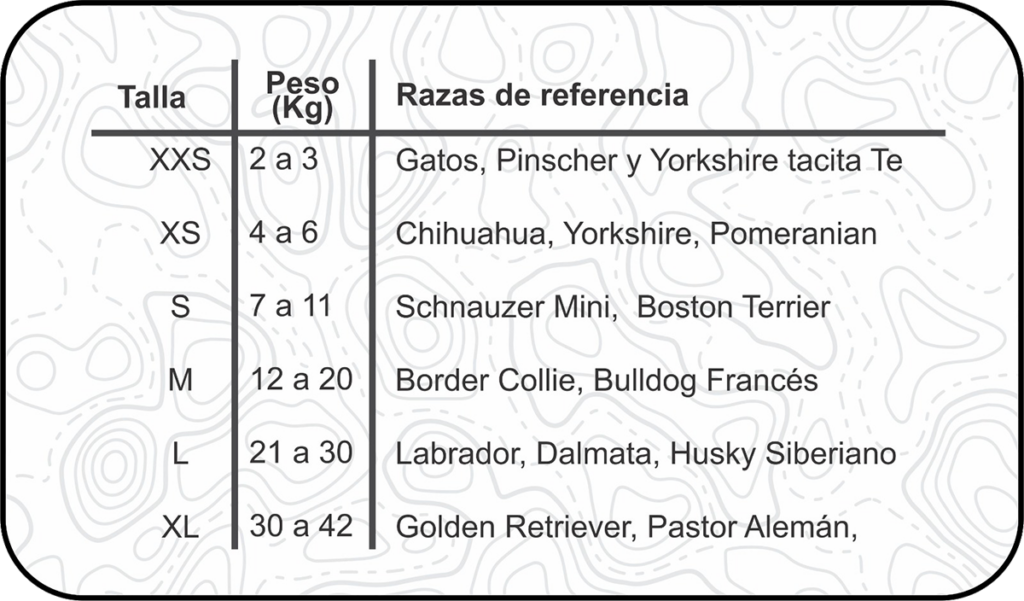
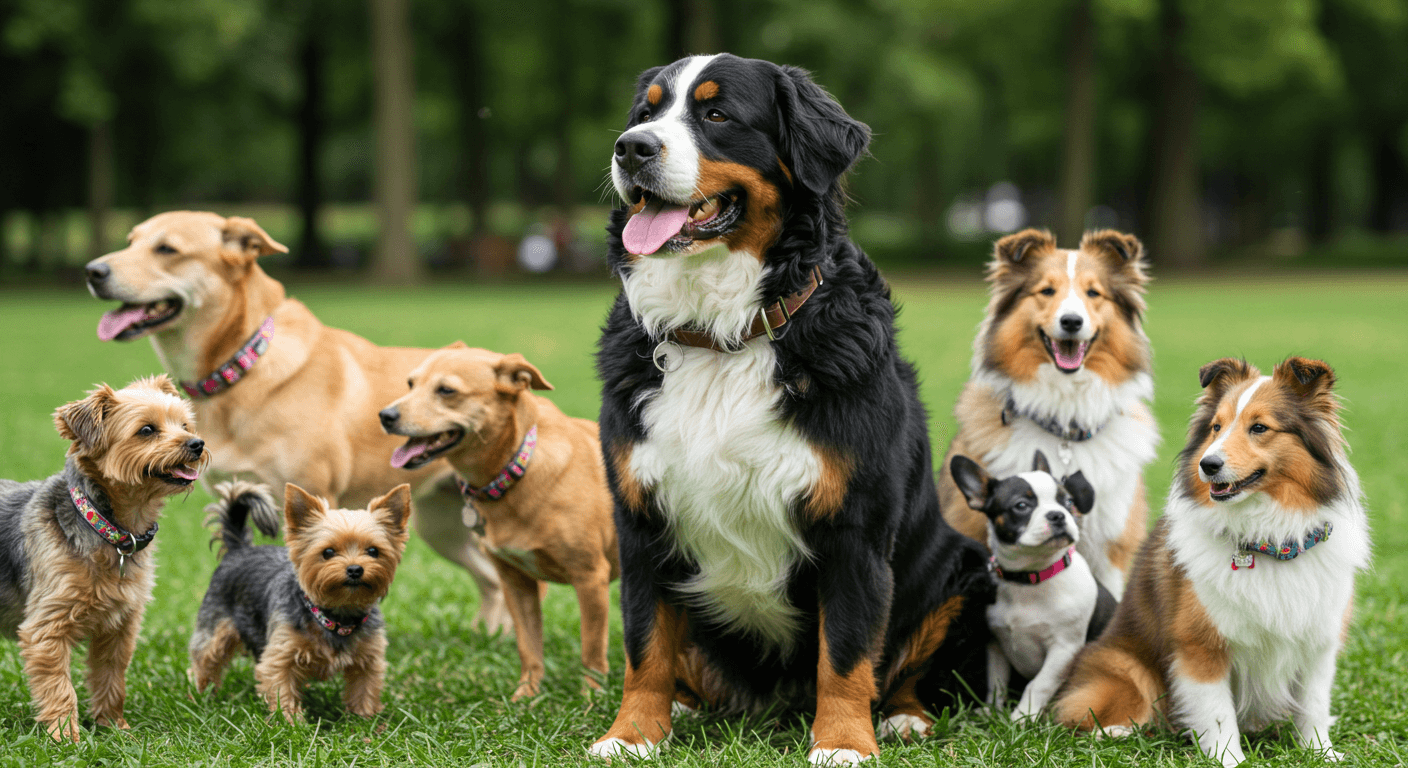
Consider race and anatomy
- Brachycephalic breeds (bulldog, pug): need collars that do not press on the trachea.
- Long-necked breeds (greyhounds): Benefit from Martingale collars
- Small dogs: Require lightweight and adjustable collars
Evaluates behavior during the walk
- Pulling dogs: May need specialized harnesses or collars.
- Well-trained dogs: Work well with standard flat collars.
- Reactive dogs: Could benefit from collars that give greater control
Correct measurement
For a perfect fit:
- Measure your dog's neck with a flexible tape measure
- Adds two fingers of space for comfort
- Regularly check the fit, especially in growing puppies.
Signs that your dog needs a different collar
Pay attention if you notice:
- Irritation or hair loss in the neck area
- Frequent coughing during walks
- Resistance to collar placement
- Anxious behavior when wearing
Maintenance of the collar
- Wash regularly according to the material (follow manufacturer's instructions).
- Check wear on buckles and seams
- Replace when showing signs of deterioration
Frequently asked questions about dog collars
When should I start using a collar on my puppy?
Puppies can begin to become familiar with a light collar as early as 8 weeks of age,
although it is important to supervise and accustom them gradually
Collar or harness, which is better?
It depends on each dog. Harnesses distribute the pressure better and are recommended for
breeds prone to respiratory problems or delicate trachea. The collars are simpler
and suitable for well-trained dogs.
Is it safe to leave the collar on all the time?
Many experts recommend removing the collar when the dog is at home in order to prevent
accidental snagging, especially if playing with other dogs or unsupervised.
Conclusion
The ideal collar for your dog will depend on multiple factors including size, breed,
behavior and lifestyle. Take the time to research and try out different
to find the one that offers the perfect balance between comfort, control and
and safety for your pet. Remember that your dog's health and well being should always be a priority.
the priority when selecting any accessory.
Have you already found the perfect collar for your canine companion? If you have any doubts
specific to your particular situation, consult with a professional trainer or
veterinarian for personalized recommendations.